
Do Eyelashes Grow Back? Yes, Here Is How
A few lashes go missing after you take out extensions, rub your eyes during allergy season, or catch an eyelash curler wrong. Panic sets in fast when your lash line looks thin. The good news sits in your own body. Lashes follow a natural growth cycle, shedding and regrowing on their own, the same way hair on your scalp does. Do eyelashes grow back after falling out or after extensions come off? In most healthy cases, yes, within a set number of weeks. This guide covers the timeline, common causes of loss, and steps to protect regrowth from here forward.
The Fast Answer
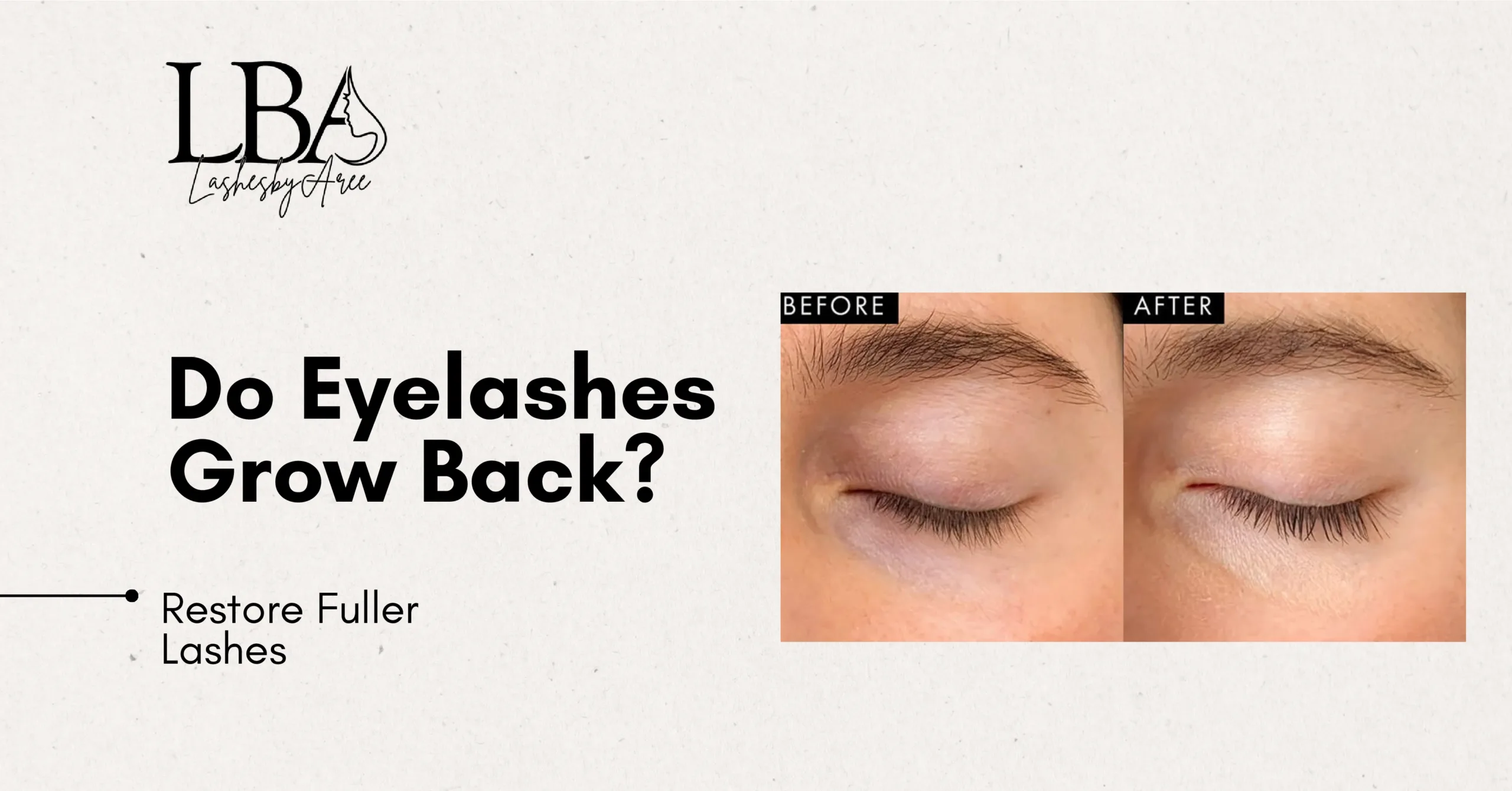
Yes, eyelashes grow back on their own in most cases. A full eyelash growth cycle runs 6 to 8 weeks, so a lash you lose today gets replaced by a new one within that window, as long as the hair follicle stays healthy and undamaged.
Do Eyelashes Grow Back After Extensions?
Extensions themselves do not stop natural lash growth when applied correctly. A trained lash artist attaches each extension to a single natural lash, matching the weight to what that lash can hold without added stress. Problems start when extensions get applied too heavy, glued to more than one natural lash, or removed the wrong way. Pulling extensions off instead of dissolving the adhesive rips the natural lash out at the root, which delays regrowth. A studio using proper isolation and a gentle, cream-based remover, the approach used at Lashes by Aree, protects the natural lash underneath through the full wear and removal process.
The Natural Eyelash Growth Cycle
Eyelashes grow through three phases, and understanding them explains why shedding is normal, not a warning sign on its own. The anagen phase is active growth, lasting 30 to 45 days. During this window, the lash grows steadily from the follicle. The catagen phase is a short transition period, lasting around two to three weeks, where growth stops and the follicle starts to shrink. The telogen phase is the resting stage, lasting around 100 days, before the lash sheds and a new one begins the cycle again. At any given point, your lashes sit in different phases at once, which is why losing one or two a day is normal, not a sign of damage.
How Long Does It Take for Eyelashes to Grow Back?
A single lost lash typically grows back within 6 to 8 weeks, matching the full anagen phase. A shorter growth burst becomes visible within 2 to 3 weeks, though full length takes the full cycle to complete. Age, health, and follicle condition all affect this timeline. Younger, healthy follicles cycle faster, while damaged or older follicles sometimes take longer, or produce a shorter lash than before.
What Causes Eyelash Loss?
A few common triggers explain most lash loss outside the normal shedding cycle. Rubbing your eyes pulls lashes out at the root more often than people realize, especially during allergy season or after a long day in contacts. Harsh makeup removal, especially tugging at waterproof mascara, stresses the follicle and speeds up shedding beyond the normal rate. Medical conditions such as thyroid issues, alopecia areata, or certain skin conditions around the eyelid sometimes cause noticeable lash thinning beyond typical shedding. Stress and nutrient deficiencies, particularly low iron, biotin, or protein intake, show up in hair and lash health before other visible signs appear.
Do Eyelashes Grow Back After They Fall Out From Extensions Removed Improperly?
Yes, in most cases, though the timeline stretches out longer than normal shedding. When a natural lash gets pulled from the follicle instead of shedding on its own, the follicle needs extra time to recover before starting a new growth cycle. This is the main reason a gentle, professional removal method matters so much. Picking off extensions at home, or pulling at ones that feel loose, risks tearing the natural lash along with the extension.
Signs Your Lash Loss Needs Attention
Most lash loss falls within a normal range and resolves on its own. A few signs point toward a bigger issue worth checking with a doctor. Bald patches along the lash line, rather than scattered thinning, often signal a condition like alopecia areata rather than typical shedding. Redness, swelling, or itching around the lash line alongside hair loss points toward an infection or reaction needing treatment before regrowth starts. Sudden, dramatic loss across both eyes at once, without an obvious cause like extension removal, deserves a conversation with a dermatologist rather than a wait and see approach.
How to Help Your Eyelashes Grow Back Healthy
A few habits support faster, healthier regrowth once you notice thinning. Avoid rubbing your eyes, and swap out waterproof mascara for a gentler, water-based formula you remove without heavy tugging. Add protein, iron, and biotin-rich foods to your meals, since lash growth depends on many of the same nutrients that support scalp hair. Use a clean spoolie brush to gently groom your lashes, which stimulates the area without pulling on the follicle. Skip at-home lash serums with unclear ingredient lists. Some over the counter products cause irritation that slows regrowth instead of helping it. Give your natural lashes a break between extension sets. A short gap allows the follicles a full rest phase before starting a new cycle of wear.
When to See a Lash Professional Instead of Guessing
If you are unsure whether your thinning comes from normal shedding, harsh removal, or a medical cause, a lash professional spots the difference fast. A consultation looks at follicle health, growth direction, and density before recommending a style or a break from extensions. At Lashes by Aree, every new client gets a one-on-one consultation before any lash goes on. That same conversation works well for anyone asking if eyelashes grow back after their own specific situation, since a trained eye catches details a mirror check misses. If you are considering a fresh set once your natural lashes recover, browsing classic lash extensions or checking current lash hours gives you a clear next step.